What Is a Cappuccino?
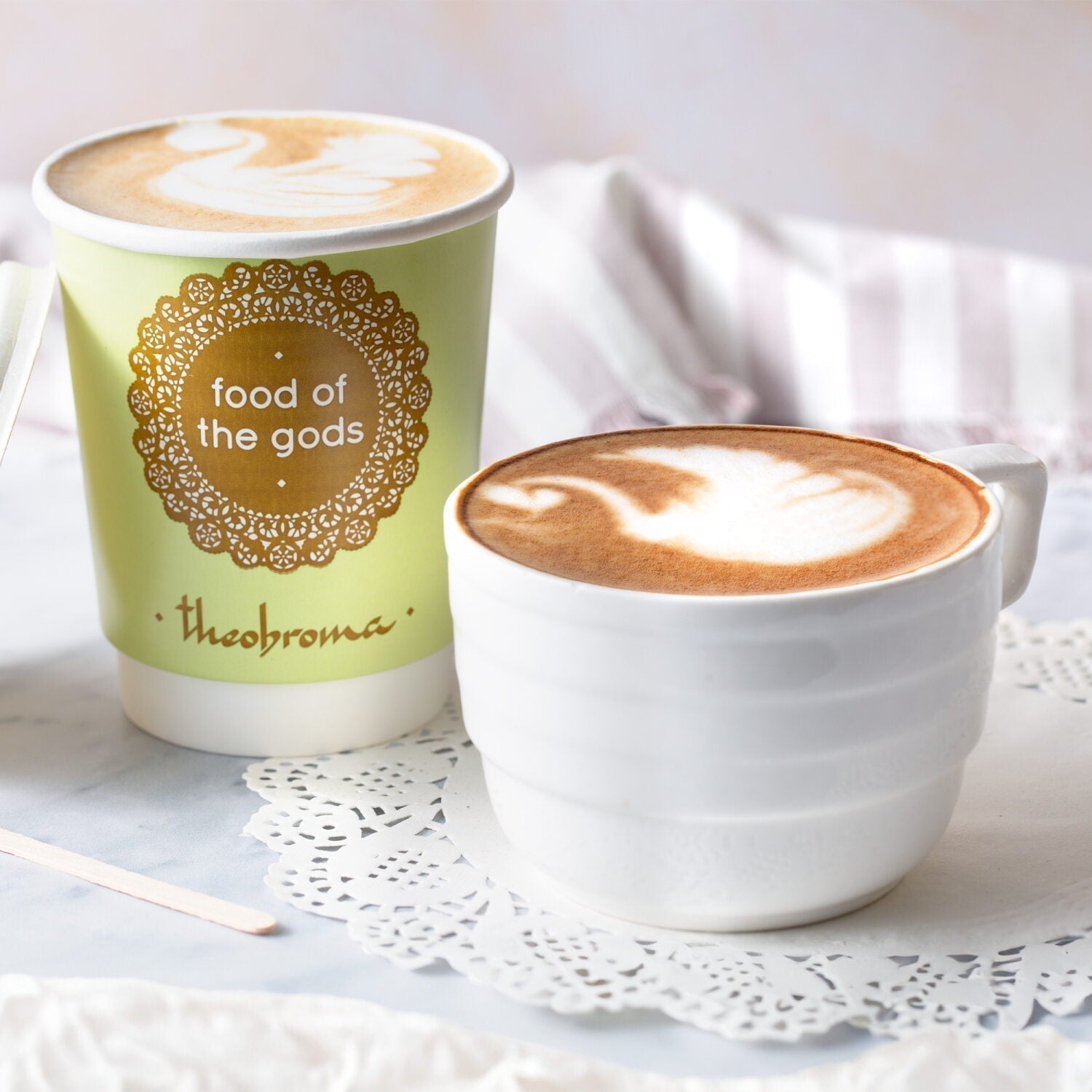
A cappuccino is a beverage brewed with espresso and frothed milk. A cappuccino's defining feature is its dense foam layer, which creates a blanket, keeping the coffee warm while providing a richer espresso flavour. Cappuccino is frequently preferred by folks who like a stronger coffee flavour with less milk dominance.
What Is a Latte?
Cafe latte, also commonly known as latte, is a creamy, milky drink made with a single shot of espresso and more steamed milk. It is finished with a light coating of fluffy foam. Since the milk content in a latte is on the higher side, it is milder and creamier. Latte is preferred by those who are new to coffee or prefer a mild taste.
Key Differences Between Cappuccino Latte
Let's break down the key cappuccino and latte differences to help you choose the right one for you.
• Milk Ratio of Cappuccino vs Latte
Milk ratio is the most important differentiating factor. Cappuccino is prepared with equal proportions of espresso, steamed milk, and thick foam. While a latte is prepared with 2/3rd portion of steamed milk, 1-2 shots of espresso, and a thin layer of foam.
• Taste & Texture
Cappuccinos are typically strong, thickly foamed, have robust flavours, contains little bit of bitterness, contain less milk and are less sweet as compared to cafe lattes, which are mild, more milk-based, creamier, with a blended texture and usually sweeter.
• Serving Size
Cappuccinos are typically served in small cups to balance the ingredients. While lattes are served in bigger cups to accommodate more milk.
• Calories Count in Cappuccino & Latte
Lattes have more milk and are on the sweeter side, thus contain calories on the higher side as compared to the cappuccinos.
• Caffeine Content of Cappuccino & Latte
Contrary to common myths, the caffeine amount of a cappuccino and a latte is often the same provided both are made with a single shot of espresso.
The perceived strength varies because cappuccinos taste stronger as they are prepared using less milk. And lattes taste gentler due to the higher milk use.
Calories & Nutritional Value Comparison Between Latte & Cappuccino
Basically, the amount of milk used in a cappuccino or latte determines how many calories it has. Lattes have more milk; therefore, they inherently have more calories. A normal cappuccino prepared with full-fat milk has about 70-90 calories; however, a latte with the same type of milk can have 120-180 calories. Plus, lattes contain more sugar as compared to cappuccinos, making lattes stand in high calories list.
Nutritionally, both of them are similar. Both drinks contain milk, which has protein and calcium that support bone health.
Cappuccino vs Latte for Weight Loss
When thinking about cappuccino vs latte during your weight loss journey, cappuccinos usually have the edge. This is because it has less milk, sugar, and comes in a smaller portion size as compared to the latte. However, lattes are not a bad option when prepared with skim milk.
Lastly, weight management is determined by total daily intake and not just one drink.