Gone are the days when bread automatically meant white bread. Today, there are so many bread varieties available that we’re spoilt for choice. Knowing which one to pick can be confusing. But fret not, for we’re here to give you a lowdown on the various kinds of breads available in the market. Read on to boost your bread knowledge and make tastier additions to your shopping cart.
Food 101: A Handy Guide on All Types of bread
Have you tried making garlic bread to go as a side with your creamy fettucine alfredo only to find that it tastes nothing like what you’d find at a restaurant? Or maybe you’ve been craving hummus but don’t know which bread to dip in it. If you want to include different breads in your pantry and broaden your culinary repertoire, then here is a handy guide to familiarise you with a few popular and versatile options:White bread
One of the most cherished childhood memories for many of us is embarking on an early morning stroll to the nearby store, eagerly purchasing a loaf of fresh white bread. Found in most Indian homes, white bread is a classic and can be incorporated into meals both international and uniquely local.
White bread is made from refined wheat flour and is the most commonly available variety of bread. Whether used to prepare spicy and tangy Bombay sandwiches or enjoyed regularly with a masala omelette and chai, white bread is here to rescue you from hunger pangs at any time of the day!Whole wheat bread
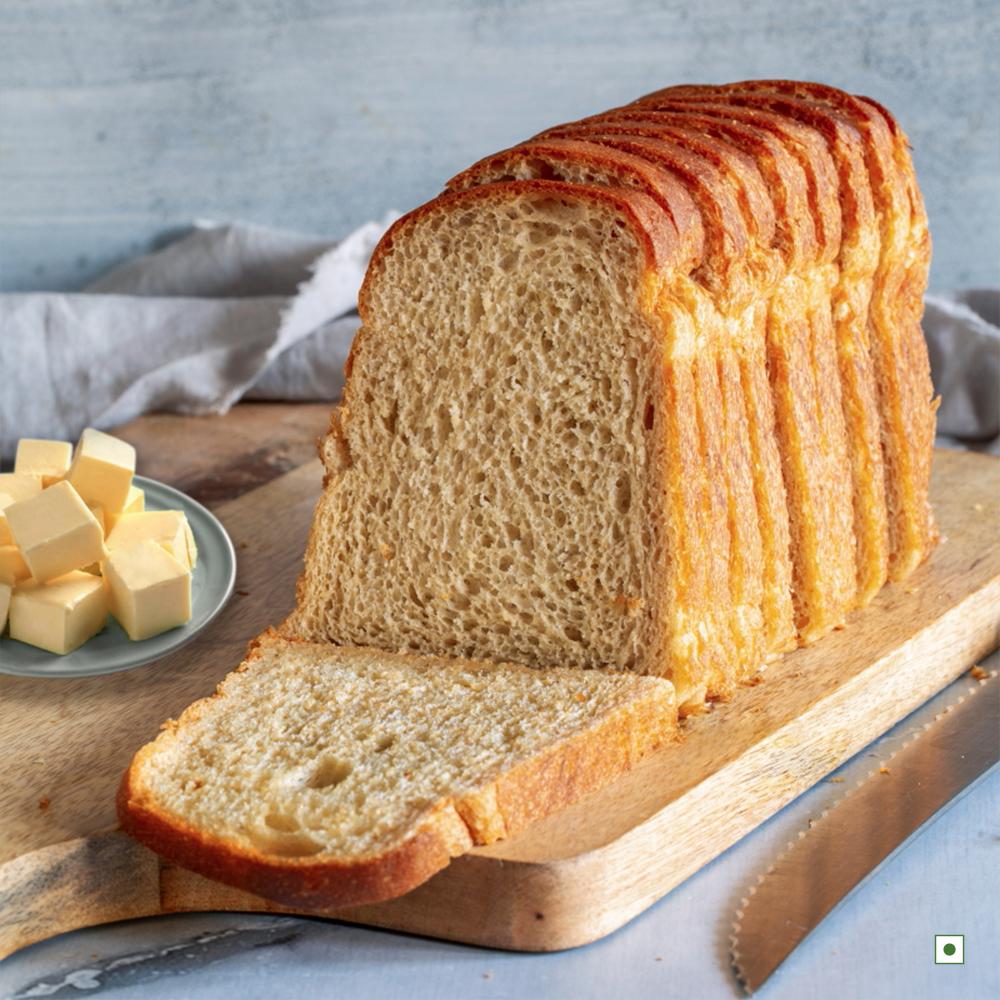
If you’re looking to eat healthier without giving up bread, you can enjoy the best of both worlds with whole wheat bread. Whole wheat bread contains all three parts of a wheat kernel - the fibre-rich bran, the endosperm, and the nutrient-rich germ. Refined flour doesn’t contain the first and third components, which means that it is lacking in fibre and nutrients. Dietary fibre keeps your digestive system healthy, regulates blood glucose levels and keeps you feeling full for longer, so that you’re not tempted to snack. Substitute white bread with whole wheat bread for more health benefits.
Multigrain bread
Multigrain bread typically contains a mixture of more than one type of grain flour. This means apart from wheat, multigrain bread also contains other healthy grains like barley, rye, millet, ragi, jowar, bajra, etc. If you wish to buy artisanal multigrain bread that is made with high-quality grain flours, opt for Theobroma’s multigrain loaf. It contains 8 different types of flour along with nutrient-rich seeds such as flax seeds, watermelon seeds, and sesame seeds.Sourdough bread
Sourdough bread has been around for ages and was even consumed by the ancient Egyptians. Of all the bread varieties, this bread is considered to be the healthiest because it does not contain yeast. The long fermentation process boosts the bread with good microbes which are great for your gut. This nutrient-rich bread is also easier to digest, further supporting gut health. Apart from the nutritional aspect, sourdough bread is also incredibly tasty. Use it to make a sandwich or coat it with sourdough toasty toppings and enjoy!Baguette
Whether you’ve always dreamed of going to France and partaking in their classic cuisine or simply enjoying fresh and scrumptious bread, a baguette is just what you need in your pantry.
An integral part of French culture, baguettes have made their mark on the world’s culinary scene since the early 19th century. Thin and long, almost wand-like, these loaves of bread are renowned for their crunchy exterior and soft and airy insides. Once you’ve beheld and indulged in a baguette, you’ll be awestruck to learn that it’s made using basic ingredients like flour, water, salt, and yeast. Kneaded and rolled using expert technique, they’re shaped to resemble batons and baked in an oven. A French staple, you’ll find baguettes in almost every bakery, patisserie, and café across the country. And thankfully, now you can source quality baguettes in your city too!
Sandwich soft and hard cheeses, or knobs of butter and chunks of chocolate, between slices of a baguette to delight in a quick and filling snack. If you’re feeling fancy, create a charcuterie board around your baguette and enjoy it with an array of fruits, jams, cheeses, and meats.
Focaccia
Have you watched videos of expert bakers dimpling bread dough doused in olive oil? Or drooled at the end result—a crispy bread that lets out a satisfying crunch when cut into? If you have, then you’ve most likely seen focaccia in all its glory.
You can’t speak of bread without mentioning the masters, the Italians. Focaccia is a delicious example of what Italians can do with humble ingredients like flour, salt, yeast, and olive oil. While there is considerable conjecture that the bread originates from Ancient Rome, it’s survived the passage of time to gain immense popularity even today. Spread across a pan, focaccia is usually a wide and flat bread. It is topped with a generous amount of olive oil, rosemary, and flakes of salt. You might also find experimental varieties featuring toppings like sundried tomatoes, olives, basil, and so on.
Crisp on the outside with a tender interior, focaccia serves as an excellent base for pizzas, calzones, and sandwiches. Whether you choose to serve it as a simple appetiser with premium olive oil or as a main course with pasta, focaccia can take your spread to the next level.
Ciabatta
What’s a list of bread without a double mention of Italian cuisine in it? Showcasing just what they can do with simple ingredients like flour and water, Italians have left a mark on the world with ciabatta.
Ciabatta is a light and airy bread with perforated insides, made using flour that has a high amount of gluten. Combined with yeast and water, the dough for this bread is kneaded and shaped into an elongated loaf. Its hallmark high-rising texture is the result of incredible patience and a long resting period. Once baked, it resembles a roughly drawn rectangle, harking back to its etymological origins as a slipper. Inherently mild in flavour, ciabatta’s natural taste is usually enhanced by a generous seasoning of herbs, spices, and olive oil.
If you get your hands on a loaf, make sure to prepare a piping hot panini, using basil, mozzarella, pesto, and vine tomatoes. You can also pair it with a steaming and hearty soup or a refreshing salad; the choices are endless!
Brioche
What’s better than a slice of bread? Even more bread! Another French classic, you must’ve seen thick and buttery slices of brioche splattered across the internet, restaurant menus, and cooking shows.
Made using flour, butter, yeast, eggs, and sugar, brioche is a bread that is as soothing to the eyes as it is to the palate. Its famously light and delicate texture is achieved after the dough is allowed to rise for several hours prior to baking. Once done, it awes with its golden crust, buttery flavour, and cloudlike texture. While on the sweeter side, brioche is extremely versatile and can be used to prepare various dishes. If you’re looking for a sugary fix, lather a slice with butter and jam or use it to prepare decadent French toast. If you’re more of a fan of savoury food, make the most of brioche slices to prepare sandwiches filled with vegetables and meats of your choice.
No matter what you do with it, brioche is a bread that is sure to please.
Flatbread
As Indians, we’re not accustomed to thinking of our rotis or chapatis as breads. However, that’s exactly what they are. Falling into the vast category of flatbreads, our daily staple is in good company with similar versions from various other countries.
Unlike other kinds of bread, flatbread is made without using yeast as an activating agent. Usually, it is prepared by combining wheat flour with salt, water, and a fat such as oil or butter. It is kneaded until the dough is soft and pliable. As the name suggests, it is flattened and rolled out to create a round shape and then cooked, either on a piping hot pan or over an open flame. Apart from India, flatbread is enjoyed by the people of different countries, whether as tortillas in Mexico, pita in the Mediterranean, or injera hailing from Ethiopia.
A jack of all trades, flatbread can help you master and partake in different international cuisines right at home! Whether you cook up a Mexican feast or simply like to indulge in a quick snack of different kinds of hummus, flatbreads are the way to go!
Bagel
If you're a donut enthusiast yearning for a savoury alternative, allow us to introduce you to the bagel. Originating in Poland and now cherished worldwide, this iconic treat can be found in many delicatessens and bakeries, offering a delightful and diverse range of flavours and toppings.
A round bread made using gluten-rich flour, salt, water, yeast, and malt, it differs from regular bread due to its trademark hole in the centre. Even texturally, bagels have a unique taste since the dough is boiled before it is baked, allowing for a glossy exterior that catches your eye. Often, prior to being baked, bagels are topped with nuts, seeds, herbs, and spices to create new and nuanced flavours. Whether you prefer to toast a bagel or enjoy it in its original state, it can make for the perfect breakfast or anytime-snack.
If you’re looking to recreate the New York bagel, you can lather the bread with cream cheese and top it off with smoked salmon. On the other hand, you can also spread a nut butter of your choice and top it off with sliced fruit for a sweet alternative. All in all, you can’t go wrong with stocking your pantry with your fill of bagels.
Types of bread based on usage
Like us, breads too have different purposes in life. Some make great sandwiches; others pair well be curries while some might make the best croutons. It’s always good to select the right bread for the right purpose. (Can you imagine making a burger out of sandwich bread!) Let’s look at the right uses for the different varieties of breads discussed above.Sandwich bread
This is a no-brainer. Slices of white, whole wheat or multigrain bread are ideal for making sandwiches. Their broad, even shape provides ample space for fillings. The breads can be further sliced into triangles or rectangles to make the sandwich easier to eat. That being said, sandwich bread also pairs well with Indian bhajis, curries and several egg preparations. Sourdough bread also makes for a great sandwich bread. Its slightly tangy taste and crunchy textures adds punch to your sandwich.Pav bun
Pav buns look like smaller-sized burger buns. They are an intrinsic part of street food in Maharashtra. Whether it’s vada pav, misal pav, pav bhaji, bhurji pav or kheema pav, the soft and fluffy bun pav loyally accompanies all these dishes. Pavs are generally made with refined flour, but you can opt for a healthier version with Theobroma’s wheat butter pav. It is made using whole wheat flour and wheat flour and has a higher fibre content. Among the different types of bread available at Theobroma, our wheat butter pav is ideal for homemade pav bhajis and can also be paired with bhajiyas, curries and tea.Pizza base
Not to be confused with pita bread, pizza bread is the spongy base over which toppings are sprinkled. It’s the most talked about part of the pizza – and largely what makes it up. You get thin bases, cheese-stuffed bases and ones baked in wood-fired ovens. The pizza base is largely made with refined flour, but we at Theobroma offer a wheat pizza base that is high in fibre and more nutritious. Use these soft pizza bases to make homemade pizzas (It’s the only time you can add on as many toppings as you like at no extra charge!)Burger bun
Burger buns are soft and round – perfectly shaped to hold veg or non veg patties. They have a shiny, buttery exterior and a soft interior. The bun should be soft, but not crumbly. You can toast or grill these buns before eating or have them as is. Our wheat burger buns are flavourful and taste great with a range of burger fillings like sliced vegetables, sauces and burger patties. They’re also sprinkled with sesame seeds for a nutty flavour and added crunch. Make and enjoy healthy home-style burgers with these burger buns!We hope you’re now familiar with the different types of bread available. However, to enjoy maximum taste, buy bread that’s fresh and made with high-quality ingredients. At Theobroma, we bake fresh batches of bread everyday and use whole grain flours to make them. Plus, we offer doorstep delivery, so it’s never been easier for you to shop right and eat healthy!
Types of Bread Based on Usage
Bread, often referred to as the "staple of life," has traversed through centuries, cultures, and cuisines to become one of the most cherished and versatile foods globally. From humble loaves to artisanal creations, bread comes in a delightful array of types, each tailored to its specific usage and purpose. Join us as we embark on a mouthwatering journey through the realm of bread, exploring the various types based on their distinct usages.
Sandwich Breads: Soft, tender, and versatile, sandwich breads form the foundation of many lunchtime favorites. Whether you're crafting classic PB&Js or creating hearty deli-style sandwiches, these breads are engineered to hold fillings together without overpowering their flavors.
Baguettes: Hailing from France, the baguette is a slender, crispy bread known for its elongated shape and chewy interior. Perfect for creating delectable sandwiches, bruschettas, or simply enjoying with butter, the baguette is a staple in French cuisine.
Ciabatta: Originating in Italy, ciabatta boasts a rustic exterior and a soft, airy interior. Its open crumb structure makes it ideal for sopping up sauces, making panini sandwiches, or creating the perfect garlic bread.
Sourdough: With its tangy flavor and chewy crust, sourdough is a beloved classic. This fermented bread is ideal for toasting, serving with soups, or elevating the simplest ingredients into gourmet delights.
Pita Bread: Hailing from the Middle East, pita bread is known for its pocket-like structure. Versatile and convenient, it's perfect for stuffing with falafel, kebabs, or fresh veggies for a quick and wholesome meal.
Focaccia: A Mediterranean delight, focaccia is characterized by its herb-infused olive oil topping and dimpled texture. It serves as a delightful accompaniment to soups, a canvas for creative toppings, or a standalone snack.
Brioche: Rich and buttery, brioche is a sweet bread that straddles the line between bread and pastry. Its tender crumb makes it perfect for indulgent French toast or gourmet sandwiches.
Naan: A staple in Indian cuisine, naan is a soft and slightly leavened flatbread, typically baked in a tandoor. Perfect for scooping up curries, dips, or simply drizzling with olive oil and herbs.
Rye Bread: With its distinctive flavor and hearty texture, rye bread is a mainstay in European cuisine. Pair it with cured meats and cheeses for a delectable charcuterie board or enjoy it toasted with butter.
Tortillas: Common in Mexican cuisine, tortillas are thin, unleavened flatbreads made from corn or wheat. They are essential for crafting mouthwatering tacos, enchiladas, and quesadillas.
As we celebrate the rich tapestry of bread varieties, each designed with specific uses in mind, it's clear that bread is more than just sustenance—it's a canvas for culinary creativity. From sandwiches to sides, from breakfast to dinner, these types of bread have earned their rightful place in the hearts and kitchens of food enthusiasts worldwide. So, the next time you savor a slice, take a moment to appreciate the craftsmanship and cultural history that have gone into creating these delectable delights.